
Don’t Miss the Signs: Acting Fast During a Stroke Can Save a Life
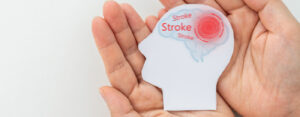 A stroke is a serious medical emergency that affects the arteries leading to and within the brain. It occurs when a blood vessel carrying oxygen and nutrients is either blocked by a clot or ruptures. When this happens, part of the brain is deprived of oxygen, and brain cells begin to die quickly.
That’s why timing matters so much. On average, 1.9 million brain cells die every minute a stroke goes untreated. Immediate medical care can reduce long-term disability and may even save a life. The good news is that advances in treatment over the past decade have significantly improved survival rates—but only if care is received quickly.
Stroke can happen to anyone, at any age, at any time. Knowing what to look for and acting fast can make all the difference.
Did You Know? Stroke is the No. 4 cause of death and a leading cause of disability in the United States.
Know the Signs: Think B.E. F.A.S.T.
An easy way to recognize stroke symptoms is by remembering B.E. F.A.S.T. Seek immediate medical attention by calling 911 if these warning signs of stroke are present:
Calling 911 ensures that first responders can begin treatment right away—even before reaching the hospital—giving the person the best chance for recovery.
Balance Loss: Sudden trouble with balance, coordination, or dizziness.
Eye Changes: Blurred, double, or sudden loss of vision in one or both eyes.
Face Drooping: One side of the face may droop or feel numb. Ask the person to smile—does it look uneven?
Arm Weakness: One arm may feel weak or numb. Ask the person to raise both arms—does one drift downwards?
Speech Difficulty: Slurred or hard-to-understand speech. Ask them to repeat a simple sentence.
Time to Call 911: If you notice any of these signs, call 911 immediately. Do not wait.
Additional Symptoms to Watch For
Other warning signs can appear suddenly, including:
- Numbness or weakness in the face, arm, or leg (especially on one side of the body)
- Confusion or trouble understanding speech
- A severe headache with no known cause
Stroke Symptoms in Women
While men and women often experience similar symptoms, women may also have more subtle signs that are easier to overlook. These can include:
- General weakness
- Confusion, disorientation, and memory problems
- Fatigue, nausea, or vomiting
A stroke is always an emergency. Recognizing the signs and acting quickly can save brain function, reduce disability, and protect lives. If you suspect a stroke, even if you’re not sure, don’t wait. Call 911 right away.
Sources: stroke.org, mayoclinic.org