
Make Waves, Not Worries: Safe Swimming Tips for Summer
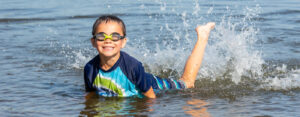 Summer means more time at the pool, lake, or beach, and that makes it the perfect time to review water safety habits. Whether you’re swimming, boating, or splashing around with the kids, a few simple precautions can help everyone stay safe while enjoying the water.
Learn to Swim
Knowing how to swim is one of the best ways to protect yourself and others. Even if you don’t plan to be in the water, accidents can happen and basic swimming skills can make a lifesaving difference.
Formal swim lessons help children and adults build strong swimming abilities while learning essential safety habits. Even experienced swimmers benefit from refreshing their skills and practicing safe habits regularly.
Know the Risks of Cold Water
Open water can be much colder than it looks, even in the middle of summer. Water below 70°F can quickly lower your body temperature and lead to cold shock, making it harder to breathe, think clearly, and swim safely.
If you’re spending time in cold water:
- Check the water temperature before entering
- Wear a life jacket
- Consider a wetsuit or dry suit for longer activities
- Limit your time in the water
Remember: dress for the water temperature, not the air temperature
Choose the Right Flotation Device
Wearing a life jacket can save your life by helping keep you afloat, preventing exhaustion, and giving rescuers more time to help.
Life jackets are especially important for:
- Boating and open water activities
- Children and less confident swimmers
- Cold water recreation
Inflatable toys and water wings may be fun, but they are not safety devices and should never replace a life jacket.
Use a U.S. Coast Guard-approved life jacket that fits properly and is designed for your activity.
Focus on Supervision
Active supervision, especially of young or inexperienced swimmers, is one of the most important ways to prevent drowning.
Follow these simple rules:
- Stay within arm’s reach of children and weaker swimmers
- Designate a dedicated “water watcher” during group activities so at least one adult is fully focused on the water
- Put away phones, books, and other distractions when supervising
- Swim in lifeguard-protected areas whenever possible
- Always swim with a buddy, never alone
Remember: water emergencies are often silent and can happen in seconds.
Did You Know? Children ages 1-4 are more likely to die from drowning than any other cause.
A little preparation goes a long way. By building swim skills, staying alert, and practicing smart water safety habits, you can spend less time worrying and more time making great summer memories.
Sources: redcross.org, cdc.gov, nps.gov